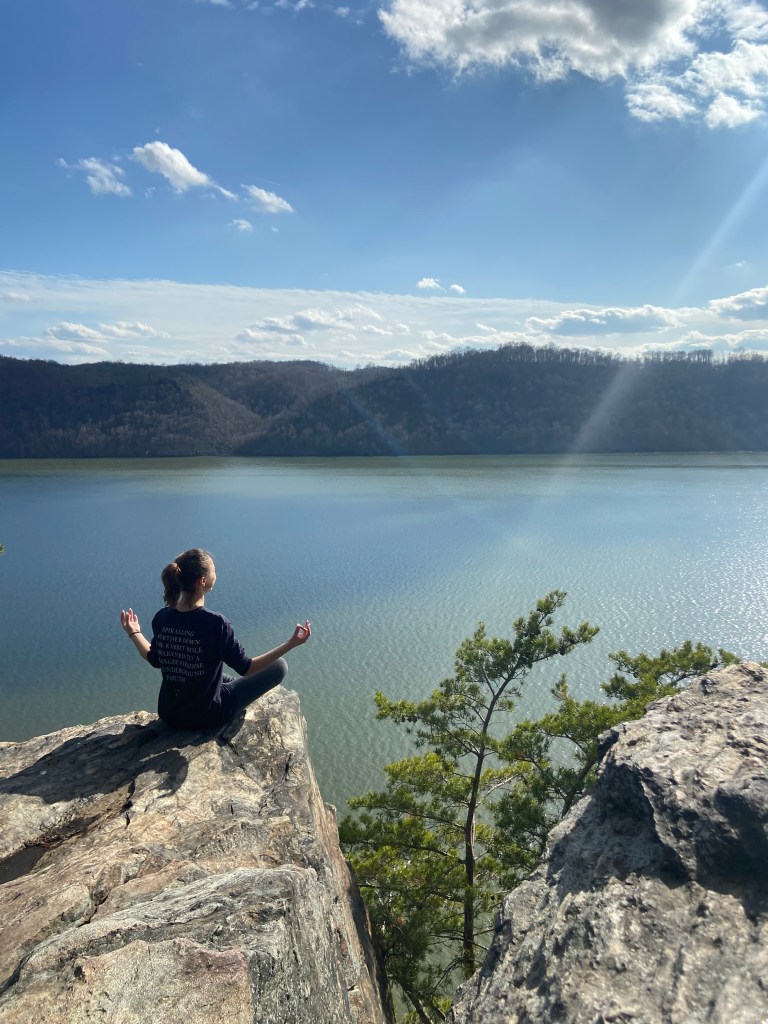
Meditating is a quick and easy way to de-stress. I lightly touched base on this subject in my last post, but I wanted to dive a little deeper into different types of practices I’ve been doing. It seems like we’re going to be stuck in our homes for quite some time, so why not learn a new skill?
“Meditation isn’t about being a different person, a new person or even a better person. It’s about training in awareness and understanding how and why you think and feel the way you do, and getting a healthy sense of perspective in the process. It just so happens that when you do that, any changes in your life become more feasible. More than that, it shows you how to be OK with the way you are right now and how you feel.”
– Puddicombe (2011)

Guided vs. Unguided
Deciding whether to do one or the other is the first step in starting a practice. In guided meditation, a teacher talks you through the practice step by step. There are apps that provide personal instructors and many YouTube videos that talk you through the process. This kind of meditation is useful for beginners because it helps you get the most out of the experience. Having a teacher helps assure you that you are practicing correctly.
Unguided meditation is exactly what it sounds like, you meditate alone. This is also called silent meditation, which is the common form experienced individuals or instructors practice on their own. Silent meditation entails using the skills you developed from guided meditation and practicing them independently. Or it can simply involve sitting in silence and paying attention to your breathing or thoughts for a period of time.
Calming & Insight Meditation
Calming meditation can help you achieve a more peaceful state of mind and improve your concentration. Most calming meditation practices involve heavily focusing on particular objects such as your breath, a visualization, a physical object or sensations throughout your body.
People who practice insightful meditation are often trying to transform their way of thinking by developing qualities like wisdom and compassion. This practice includes focusing on breathing and bringing awareness to all of your body’s sensations, mentally and physically.
The heading isn’t “Calming vs. Insight” because these practices are usually incorporated together. Though there are many different types of meditation, combining different techniques can help diversify your practices- helping you find peace and improve your happiness and well-being.
Mindfulness Meditation
Mindfulness meditation originates from Buddhist teachings and is the most practiced meditation technique in the West.
This is a good practice if you don’t have access to an instructor. This practice lets you recognize your thoughts without engaging. Just let them pass and observe them, try to take note of any patterns. This practice combines concentration and awareness. Puddicombe describes it as an effortless type of effort, which may sound confusing, but it’s the matter of recognizing when you’re caught up in your thoughts or feelings and redirecting your attention to a particular point of focus.
Mindfulness means to be present and aware of what you’re doing and where you are. It’s almost like it’s too easy that it causes us to overthink, ultimately making it difficult to do. Try taking a walk and only focusing on walking. If your mind wanders off, redirect it by counting your steps, or recognizing how your body is moving. Having a point of focus allows you to be completely present in that moment. We often get caught up in our heads thinking about multiple things in a short amount of time, which causes stress. In reality, your mind can only think about one thing at a time, it creates an illusion of being at different places at once because of how fast you’re thinking. Crazy, right?
Being present allows you to appreciate the little things that usually go unnoticed, ultimately allowing you to be calmer and happier. So when you do this practice, find your point of focus. It can be noticing the weight of your body touching the ground, the sound of a fan, your heartbeat, your breath, anything…
Mantra Meditation
This doesn’t require you to sit down and chant the word “om.” I mean, it does but it’s a little more than that.
Mantra Meditation uses a sound, word or a short phrase that is chanted or repeated loudly, quietly, or silently to yourself. Similar to Mindfulness Meditation, you are focusing your attention to something specific, in this case, it’s sound.
Using this technique can help ease your mind from all of the unwanted thoughts you may have. Concentrating on a word or phrase draws your attention solely to what you’re chanting- allowing you to detach from negative thoughts.
Giving your mind something simple to focus on can benefit you with great relief.
Mantras can be anything you want. Mine is simply “peace.” People who are more spiritual may use a biblical phrase such as “Let go and let God.” Others can be something like:
- I am content in this moment
- I am that I am
- I am enough

When trying to figure out your Mantra, write down words or phrases you want to immerse yourself in. If you can make a phrase from them, use it. If not, just chant the words separately. Try to keep it between 5 to 10 so you’re not thinking too hard about it.
If you’re still having trouble, check out these two links I, personally, found helpful.
These techniques are what I’ve been practicing most. They’re all great for beginners and experienced meditators. I would love to write another post on other types of meditation once I feel like I can move on.




 Well Being WARRIOR